Table of Contents
ToggleHybrid work is here to stay, and that means your home office can’t look like a cramped corner anymore. A sofa office chair bridges the gap between comfort and professionalism, giving you seating that works as hard as you do during the day and doesn’t scream “cubicle” when colleagues video call. Whether you’re handling back-to-back meetings or deep-focus writing sessions, the right sofa office chair adapts to your space and style while keeping your spine aligned. Let’s walk through what makes these hybrid seating solutions worth the investment and how to pick one that fits your actual work routine.
Key Takeaways
- A sofa office chair combines the comfort and style of residential seating with office functionality, featuring a deeper seat, reclining backrest, height adjustment, and mobility through casters.
- Sofa office chairs provide significant ergonomic benefits for hybrid workers, including lumbar support, reduced pressure points, and the ability to shift positions without sacrificing a professional appearance on video calls.
- When choosing a sofa office chair, prioritize desk height compatibility, material selection based on your climate and maintenance preferences, and weight capacity specifications to ensure long-term durability.
- Seat width (22–26 inches), lumbar support quality, and adjustable armrests are critical comfort factors that prevent neck and back pain during extended work sessions.
- Select neutral or room-appropriate colors and matte upholstery finishes to integrate your sofa office chair into your home décor while maintaining a professional workspace aesthetic.
- Regular maintenance—weekly vacuuming, immediate spill management, caster cleaning, and bolt tightening every six months—extends the lifespan of your sofa office chair and prevents stability issues.
What Is a Sofa Office Chair?
A sofa office chair isn’t a traditional office chair, and it’s not a full sofa either, it sits squarely in the middle. Think of it as a compact, office-grade lounge with ergonomic support built in. These pieces typically feature a deeper seat than standard task chairs, padded armrests, a reclining backrest, and wheels underneath. The seat depth usually ranges from 18 to 22 inches, giving you room to shift position without sliding off.
Unlike a traditional sofa, a sofa office chair maintains a lower profile (roughly 28 to 32 inches tall from floor to backrest top) and includes height adjustment, usually via a pneumatic cylinder like you’d find on any office chair. The back may recline 15 to 30 degrees, letting you lean back during phone calls or screen breaks without leaving your desk setup.
The key difference from a couch? Mobility and workspace integration. Sofa office chairs roll on casters, fit under standing desks when needed, and don’t dominate the room. They’re made for people who want their workspace to feel residential, not clinical, but still professional enough for video meetings.
Key Benefits for Your Home Office Setup
The ergonomic payoff is real. A well-designed sofa office chair provides lumbar support while letting you recline when your back needs a break. Unlike perching on a kitchen chair for eight hours, these seats distribute weight across a larger surface area, reducing pressure points on your tailbone and lower back.
They’re also a space-saver in smaller homes. A traditional desk + task chair combo eats roughly 24 square feet when combined. A sofa office chair takes up similar floor space but pulls double duty, work by day, genuine lounging space by evening. If you’re in a studio or open-plan living area, a sofa office chair lets you define your work zone without walling yourself off.
Styleistically, they solve a real problem: most office chairs look like office chairs. A sofa office chair can match your living room aesthetic, so you’re not cringing when someone walks past your workspace on a video call. This mental shift, treating your home office like an integrated part of your home, not an afterthought, boosts how seriously you take your work setup.
Hybrid workers benefit most. You’re not sitting in it for 8+ hours straight like a traditional remote worker might: you’re flexible enough to stand, move around, and use multiple surfaces throughout the day. That flexibility means you can choose comfort over extreme ergonomic specifications.
How to Choose the Right Sofa Office Chair
Start with how you actually work. If you’re mostly on calls, a reclining sofa office chair with excellent armrests is a win. If you’re typing all day, you need a model where your elbows land at roughly 90 degrees when your feet are flat on the floor. Measure your desk height first, standard desks sit at 28 to 30 inches, but stand-up models run taller.
Material matters more than people think. Leather looks professional and is easy to wipe down (coffee spills happen). Fabric breathes better if you run warm, but it stains easier. Mesh backing on office chairs provides airflow around your back during longer sessions. Gauge your room temperature and how you tend to sit, do you sprawl, or do you sit upright most of the time?
Weight capacity is non-negotiable. Quality sofa office chairs list 250 to 300+ pound capacities. Don’t guess: check the specs. A chair that’s underrated will sag within a year, and the support degrades.
Test the base and wheels. A 5-point base (like a traditional office chair) is more stable than a 4-point base, especially if you’re on carpet. Hardwood casters work better on wood or tile: soft-tread casters suit carpet. Some people lock wheels entirely if they’re not moving much, that’s fine, but make sure the locking mechanism is smooth.
Size, Comfort, and Support Considerations
Seat width should let you shift positions without feeling trapped. 22 to 26 inches is typical: if you’re on the broader side or like to cross your legs, aim for the wider end. Check the seat depth again, shallower seats (16–18 inches) don’t give you room to recline without your thighs sliding off the edge.
Lumbar support is where many cheap sofa office chairs fail. A contoured lower back panel or an adjustable lumbar support (you can slide it up and down) makes a real difference after hour three of work. You want support at your natural spine curve, not a flat or overly aggressive arch.
Armrests should allow your shoulders to relax. If they’re too low, you’ll hunch. Too high, and you’ll lift your shoulders toward your ears, both lead to neck pain. Adjustable armrests or removable ones (if you don’t need them) give flexibility. Height adjustment should span at least 6 to 8 inches.
Reclining function is optional but nice-to-have. A chair that tilts back smoothly (not jerky) helps you switch modes, focused work upright, thinking or phone calls reclined. Some models have tension adjustment so you control how easy it is to recline: others recline with minimal effort. Know your preference.
Styling Tips to Match Your Décor
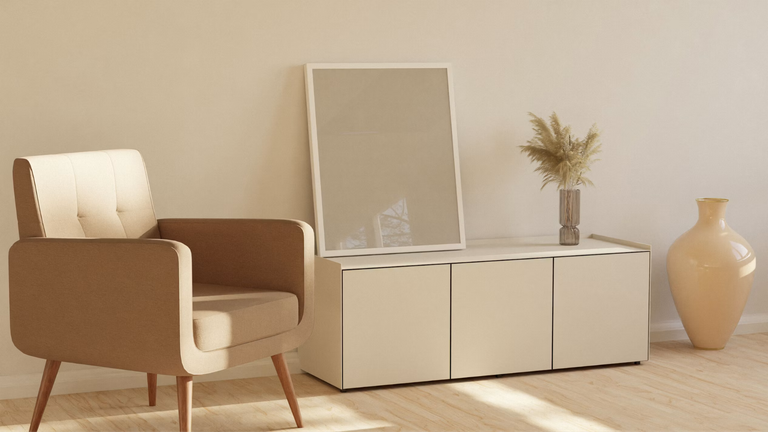
Color is your biggest styling lever. Neutral tones, charcoal, gray, beige, cream, blend into almost any space. If your home leans modern, a sleek black or white sofa office chair reinforces that. Warm farmhouse aesthetics? A tan or warm gray works. Dark tones hide dust and wear better, but light colors make smaller rooms feel airier.
Material finish shapes perceived quality. A matte upholstery reads softer and more residential than glossy finishes. Leather (genuine or high-quality bonded) elevates a space instantly but costs more and needs conditioning. Microfiber mimics that leather look for less money and handles stains better.
Consider your existing home office furniture pieces. If you have a wood desk, a chair with a matching wood frame (usually on the base or armrests) creates visual cohesion. Metal frames pair with modern or industrial desks. Upholstered frames feel softer and suit residential spaces.
Placement matters too. A sofa office chair works best when it’s part of your seating landscape, not an island. Pair it with a side table, a small shelf, or a lamp that echoes your room’s style. If it’s your only seating in a corner, add a small accent pillow or throw blanket to soften the workspace vibe.
Personal note: avoid office-colored pieces. Bright blue ergonomic mesh, neon accents, or gym-equipment aesthetics screams “I’m a workspace,” even if the comfort is great. Your home is the opposite of a shared office, so let the chair’s design reflect that. Many manufacturers now offer sofa office chairs in living-room-appropriate colors and fabrics, that’s worth the hunt.
Maintenance and Care Guidelines
Dust and dirt shorten the life of any upholstered piece. Vacuum your sofa office chair weekly using an upholstery attachment. Pay attention to crevices between the seat and backrest where crumbs and dust accumulate. A lint roller works in a pinch for quick cleanups.
Spills need immediate attention. Blot (don’t rub) with a clean cloth. For liquid spills on fabric, use a mixture of 1 part white vinegar to 3 parts water, applied to a cloth and blotted repeatedly. Leather spills come off with a damp cloth and leather conditioner afterward. Always check your chair’s care tag first, some fabrics require specific cleaners.
The base and wheels need love too. Hardwood casters pick up pet hair and debris, so spin them occasionally and remove any wound hair or dust. If wheels start sticking or squeaking, a light silicone spray (applied to the wheel axle, not the floor) helps. Wipe down the pneumatic cylinder and base with a damp cloth every few months.
One often-overlooked step: check tightness of bolts and fasteners. After six months of rolling and reclining, bolts loosen. A quick pass with an Allen wrench (most come with your chair) keeps things stable and prevents weird creaking sounds that break your focus during client calls. If the base ever wobbles, don’t ignore it, adjust immediately to prevent tipping or damage.
Condition leather every 6–12 months with a leather-specific cream or balm. This prevents cracking and keeps the material supple. Fabric chairs benefit from occasional fabric protector reapplication, especially if you have pets or kids. These products aren’t magic, but they buy you time between deeper cleanings.
Conclusion
A sofa office chair works when you need comfortable, professional seating that doesn’t sacrifice style for function. The hybrid nature of modern work means your setup should adapt to your life, not compete with it. Spend time on fit, measure your space, test recline action if possible, and choose material that matches both your climate and your aesthetic. Whether you’re building out a home office from scratch or upgrading what you have, a quality sofa office chair makes the shift from “remote worker in a corner” to “someone who chose thoughtfully.”