Table of Contents
ToggleIf you’re setting up a home office that actually feels like a place you want to work, a wingback office chair might be exactly what you’re missing. These chairs have moved beyond the stuffy library aesthetic, today’s wingback designs blend timeless elegance with the ergonomic support serious desk time demands. Whether you’re videoconferencing all day or deep into focused work, a well-chosen wingback chair delivers both visual warmth and genuine comfort. This guide walks you through what makes wingback chairs special, why they work so well in modern home offices, and how to pick one that fits your space and budget.
Key Takeaways
- A wingback office chair combines timeless design with modern ergonomic support, featuring a high backrest and angled wings that both frame your torso and elevate your home office aesthetic.
- The extended backrest of a wingback chair provides superior neck and upper back support during long work sessions compared to standard mid-back task chairs.
- Choosing the right wingback office chair requires measuring your space, considering upholstery durability, and testing adjustment mechanisms like tilt tension and seat height.
- Quality wingback chairs with solid frame construction and high-density foam ($600–$1,200+) will maintain comfort and appearance for years, outperforming budget options.
- A well-selected wingback office chair serves as a focal point that signals intentional workspace design, making your home office feel more finished and professional on video calls.
What Is a Wingback Office Chair?
A wingback office chair is a desk chair built on the classic wingback silhouette: high backrest with angled side panels (the “wings”) that extend down from the top of the back. The wings serve both aesthetic and functional purposes, they frame the seated figure and, originally, helped contain heat from a fireplace in traditional parlor furniture. In modern office versions, these wings provide subtle lateral support and add architectural interest to an otherwise utilitarian workspace.
Unlike a standard task chair, a wingback office chair prioritizes style alongside function. The upholstery often wraps around a solid frame, with exposed legs (typically wood or metal) that telegraph quality craftsmanship. Interior designers favor wingback chairs because they read as intentional seating, not an afterthought pulled from a generic office supply catalog. The high back naturally draws the eye upward, which can make a modest home office feel more complete and finished.
These chairs come in many configurations: swivel or stationary base, leather or fabric, with or without arms, adjustable or fixed height. Some modern versions trim the wingspan or modify proportions for smaller spaces, while others honor traditional proportions with luxe materials. The common thread is that distinctive winged silhouette and the sense that someone actually considered how the chair looks in the room.
Key Design Features and Benefits
Classic Aesthetic Appeal
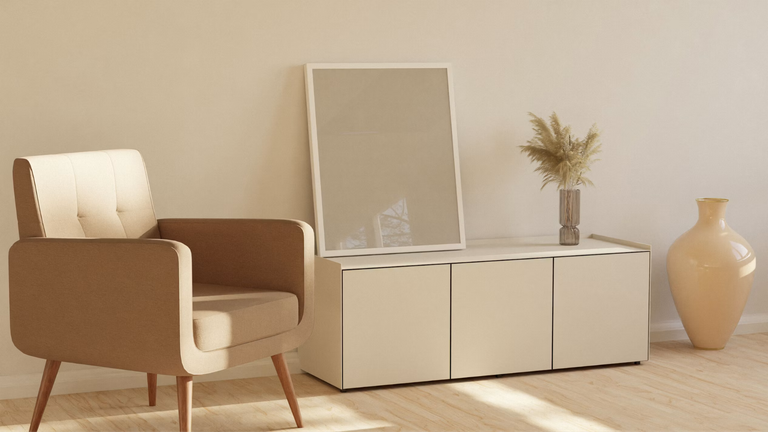
Wingback office chairs instantly elevate the visual weight of a home office setup. A chair upholstered in linen, velvet, or quality leather becomes a focal point, the kind of piece you’d notice if you glanced at a video call. This matters when your office doubles as a guest room or sits visible from other parts of the house. Modern interpretations often employ neutral tones (charcoal, cream, gray) or jewel tones that complement existing décor without demanding a complete refresh.
The design language speaks to intentionality. A wingback chair signals that you’ve thought about your workspace beyond just “what fits the desk.” Contemporary examples like those featuring metal frames with leatherette panels bridge traditional form with modern materials, you get the classic silhouette without the stuffiness. Exposed wood legs in walnut or natural finishes, paired with minimalist upholstery, create a look that works in farmhouse, mid-century modern, or transitional spaces.
Interior design platforms emphasize that a statement chair anchors a room’s personality. Design Milk and similar contemporary design outlets frequently feature wingback office chairs in workspace styling spreads because the form genuinely photographs well and suits the kind of thoughtful home office aesthetic that resonates on social platforms and in real life.
Comfort and Support Advantages
The high back is the key comfort feature. It cradles your entire spine, head, and shoulders, which matters during long work sessions. Unlike a typical task chair with a mid-back design, a wingback’s extended backrest means your neck and upper back get proper support even when you’re leaning back slightly. The wings themselves, while primarily decorative, do subtly frame your torso and can prevent that “floating” feeling you get in chairs with narrow backs.
Most quality wingback office chairs incorporate modern ergonomic features beneath the traditional exterior. Look for adjustable height (via pneumatic cylinder), tilt tension control, and, ideally, lumbar support. Some models include padded armrests, though high-backed wingbacks can work without them if your desk depth allows clear arm movement. The seat cushion should be firm enough to support you for eight hours without going flat: 3–4 inches of high-density foam is standard.
The fixed, upright posture a wingback encourages is genuinely better for focus work. You’re not sinking into a lounger: you’re seated in a position that naturally keeps your monitor at eye level and your shoulders relaxed. Home design resources like Homedit highlight how the right chair improves both comfort and productivity, not just because of cushioning, but because the design itself promotes healthy seating geometry.
How to Choose the Right Wingback Chair for Your Space
Start with your room’s dimensions and color palette. A full-scale wingback with a 30-inch-wide frame needs breathing room: place it in a cramped 10×10 office and it’ll dominate awkwardly. Measure your space, sketch where the chair sits relative to the desk and door, and account for the fact that the back height (typically 36–42 inches) draws the eye upward, that’s good in a tall room, potentially claustrophobic in a seven-foot ceiling.
Consider upholstery carefully. Leather (or faux leather) is durable and easy to wipe down, genuine leather ages beautifully but costs more and needs occasional conditioning. Fabric options (linen, polyester blend, performance fabric) offer warmth and texture: performance fabrics resist staining, which matters if you’re eating lunch at your desk or have pets. Avoid light colors if you’re hard on furniture: a weathered gray, charcoal, or warm tan hides daily wear.
Decide whether you need a swivel base or prefer a stationary frame. Swivel bases (usually with casters) add mobility and modern functionality, you can pivot to reach different areas without standing. Stationary designs feel more formal and work well in smaller spaces where a rolling base might be overkill. If you choose a swivel model, ensure the base is stable: cheap ball bearings in the caster wheel will fail within a year.
Test the tilt and recline mechanism. A chair that’s locked in one position gets uncomfortable on long days: look for adjustable tilt tension so you can find your preferred lean. Some chairs include a recline range of 15–20 degrees, which is plenty for a desk chair (you’re not trying to nap). Adjustable seat height is non-negotiable: your elbows should hit 90 degrees when your forearms rest on the desk.
Budget range matters. A basic wingback office chair runs $300–$600: mid-range models with better cushioning and hardware sit around $600–$1200: premium pieces (leather, solid wood frame, higher-end makers) exceed $1200. Quality hinges on frame construction (eight-way hand-tied springs or high-density plywood are indicators of longevity), foam density, and hardware durability. A cheaper chair might look right for six months: a better one will feel good in year three.
Conclusion
A wingback office chair does more than provide seating, it completes a workspace that feels intentional and supportive. The combination of aesthetic appeal and genuine ergonomic benefits makes it an investment that pays dividends in both comfort and daily satisfaction. Measure your space, choose materials wisely, and test the adjustment mechanisms before buying. The right wingback chair will age gracefully in your home office, giving you a place to work that you actually want to sit in.