Table of Contents
ToggleA tufted office chair isn’t just furniture, it’s a statement piece that combines vintage aesthetic with modern comfort. Whether you’re outfitting a home office, guest bedroom nook, or creative studio, a tufted chair brings character and function to any workspace. Unlike standard office seating, tufted designs feature distinctive button-pulled diamond or square patterns across the backrest and seat, creating a sophisticated silhouette that works equally well in transitional, mid-century, or eclectic interiors. If you’re considering one for your home, understanding what makes these chairs tick, from construction quality to ergonomic support, ensures you pick something that’ll actually feel good to sit in for eight-hour workdays, not just look good on a Zoom call.
Key Takeaways
- A tufted office chair combines vintage aesthetic with modern ergonomic support, making it both a functional workspace solution and a stylish statement piece that enhances room decor.
- Button-tufted upholstery distributes weight evenly across the backrest and prevents foam compression, delivering better lumbar support compared to standard flat-backed office chairs.
- Choose high-performance fabrics like solution-dyed polyester or full-grain leather for durability and low maintenance, and verify the fabric’s rub count is above 15,000 for commercial-grade daily use.
- Prioritize adjustable seat height, contoured backrests, and adjustable armrests at 90-degree angles to ensure your tufted office chair supports proper spine alignment during long workdays.
- Weekly dusting, immediate spill blotting, and professional cleaning every 18-24 months keep your tufted chair looking new and extend its lifespan significantly.
- Neutral-colored tufted chairs in gray or cream pair seamlessly with any decor style, while jewel-toned options become bold focal points when paired with understated desk surfaces and wall colors.
What Makes Tufted Office Chairs Stand Out
Design Appeal and Visual Elegance
Tufted office chairs stand out because they blur the line between furniture and décor. The button-tufted upholstery, where deep indentations are anchored by covered buttons, creates visual depth and a handcrafted quality that mass-produced office seating typically lacks. This design detail catches light differently depending on the fabric, adding dimension to a room without requiring additional art or accessories.
The aesthetic flexibility is a major draw. A tufted chair reads as upscale and intentional in a traditional office, minimalist in Scandinavian-inspired spaces, and unexpectedly cool in contemporary lofts. Unlike sleek mesh office chairs that announce “corporate workspace,” tufted models say you actually care about your surroundings. Many homeowners find they naturally become a focal point, the kind of chair that makes guests ask, “Where’d you get that?”
What’s important to recognize is that tufted doesn’t mean ornate or fussy. Modern tufted office chairs often use cleaner lines, neutral colorways, and integrated ergonomic features that keep them contemporary rather than Victorian. The tuft pattern is simply a design language that adds visual interest while serving a structural purpose, the buttons anchor the padding and prevent foam from shifting over time.
Comfort and Ergonomic Benefits
This is where DIY enthusiasm meets practical necessity. A beautiful chair that torques your lower back after two hours is worse than useless, it’s a workspace saboteur.
Quality tufted office chairs balance aesthetic with genuine ergonomic support. The button tufting actually helps distribute weight more evenly across the backrest because the anchor points prevent the padding from bunching or flattening in high-stress zones. This means better lumbar support compared to flat-backed chairs where cushioning can compress unevenly.
Look for chairs with a contoured backrest, not just decorative tuft lines but actual curvature that supports your natural spine alignment. The seat depth matters too: aim for 16 to 18 inches (measured from the backrest to the front edge) so your thighs are fully supported without pressure behind the knees. Adjustable seat height is non-negotiable for a home office: you want your feet flat on the ground or a footrest, with your thighs parallel to the floor.
Armrests should be adjustable in height and ideally width, so your elbows rest at a 90-degree angle when your shoulders are relaxed. If the chair doesn’t offer adjustable arms, you can always add padded desk arm attachments, but built-in adjustability is cleaner. Tilt tension (how easily the chair reclines) matters too, not all tufted chairs recline, so confirm this feature if you want the flexibility to lean back during calls or brainstorming sessions.
Key Features to Look for When Buying
Material Selection and Durability
The fabric or leather you choose determines not just aesthetics but longevity and maintenance burden. High-performance upholstery fabrics like solution-dyed polyester or olefin blends resist staining and fading better than natural fibers, which matters in a home office where you might eat at your desk or get sun exposure.
If you lean toward natural materials, linen and cotton feel premium but require more care and show wear faster. They’re beautiful but demand regular vacuuming and occasional professional cleaning. Velvet tufted chairs are luxe and forgiving (the pile hides dust), but they’re also magnets for pet hair and require gentler brushing than flat-weave fabrics.
Leather, genuine or high-quality bonded, ages well and cleans easily with a damp cloth. It’s pricier upfront but lasts longer than fabric if you treat it right. Bonded leather (compressed leather fibers on a base) is more affordable than full-grain but less durable: after 5-7 years, the coating can crack. Full-grain leather develops character with age and is worth the investment for a workspace you’ll occupy for years.
Woven textiles in tufted office chairs often feature tighter weaves specifically to withstand repeated contact and movement. Check the fabric’s rub count or durability rating, anything above 15,000 double rubs is considered commercial-grade and suitable for daily use. The base frame matters just as much as upholstery: look for hardwood or engineered hardwood frames, never particleboard, which breaks down under repeated stress. Seat height should be adjustable and supported by a quality gas cylinder (cylinder quality is where many cheaper chairs fail prematurely).
Casters matter too. Soft casters work on hard flooring without damage, while harder wheels suit carpet. A chair that rolls smoothly without catching saves your floors and frustration.
Styling Your Tufted Chair With Home Office Decor
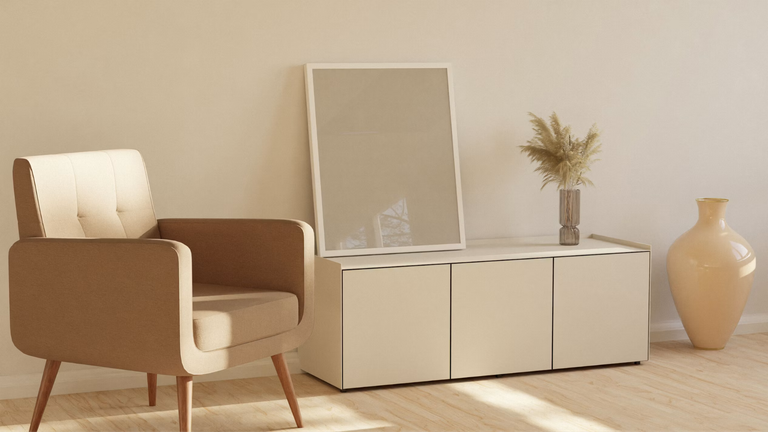
The beauty of a tufted office chair is that it anchors a room’s design narrative. A neutral linen tufted chair in gray or cream reads as refined and pairs with nearly any color scheme, go jewel-toned walls and brass accents for warmth, or soft whites and pale wood for Scandinavian calm.
If you’re drawn to color, jewel tones like emerald, sapphire, or deep charcoal tufted chairs become statement pieces. Pair them with understated desk surfaces and wall colors so the chair is the visual hero. A smaller space benefits from lighter-colored tufted chairs (cream, pale gray, soft beige) to avoid visual heaviness: darker upholstery works in larger offices with good natural light.
Compliment tufted seating with supporting décor choices: a geometric area rug that echoes the tuft pattern’s shapes, a desk in contrasting material (if your chair is fabric, try a wood or metal desk), and wall-mounted shelving rather than floor cabinets to keep sightlines open. Tufted office chairs look sharp against backdrop walls in soft colors or subtle textures, a simple shiplap, board-and-batten, or fresh paint draws focus to the chair without competing with its details.
Accessories matter. Throw a carefully chosen pillow on the seat if you want added comfort (or color contrast), but resist overdoing it, the tuft pattern already provides visual interest. A sleek task lamp or pendant above the desk area balances the chair’s traditional design language by adding contemporary edge.
Maintenance Tips to Keep Your Chair Looking New
Daily care is minimal but intentional. Dust your tufted chair weekly with a soft brush attachment on a vacuum or a dry microfiber cloth to prevent dust from settling into the tuft creases where it’s harder to retrieve. For fabric chairs, occasional light vacuuming keeps the nap fresh and discourages dust mites in areas you’re sitting on regularly.
Stain management depends on your upholstery type. Fabric chairs benefit from fabric protector applied when new or freshly cleaned, look for water and oil-repellent treatments like Scotchgard that create a barrier without changing the fabric’s feel. Blot spills immediately with a damp (not wet) cloth: don’t rub, which drives liquid deeper into fibers. For stubborn stains, a solution of equal parts white vinegar and water works on most fabrics: test it on a hidden area first.
Leather chairs need occasional conditioning, every 6-12 months, to prevent cracking and maintain suppleness. Use a leather-specific conditioner, not general furniture polish. Wipe spills immediately with a slightly damp cloth and dry with a soft cloth.
Button maintenance is often overlooked. Tufted chairs experience repeated pressure on anchor buttons: over years, stitching can loosen. If you notice a button coming loose, tighten it yourself (thread and needle, pulling from underneath) or have an upholsterer do it before the stitching fails completely. A proactive stitch takes 10 minutes: replacing a lost button or repairing compacted foam takes much longer.
For deeper cleaning, consider professional upholstery cleaning every 18-24 months if the chair sees heavy daily use. Upholsterers have commercial-grade cleaning agents and extraction equipment that restore buried dirt and allergens without saturating the foam underneath. It’s a modest investment, usually $150-300 depending on your region, that extends the chair’s life significantly.
Storage of unused tufted office chairs? Use breathable furniture covers, not plastic (which traps moisture and mildew). Keep the chair in a climate-controlled space: extreme heat or cold can damage foam and leather over time. If you’re stepping away for months, avoid stacking items on it or storing it in direct sunlight.