Table of Contents
ToggleFloor mirrors have quietly become one of the most versatile decorating tools in modern living rooms. They’re not just functional, they transform how light moves through a space, make rooms feel bigger, and serve as striking design statements in their own right. Whether your living room feels cramped, dim, or just plain uninspired, a well-placed floor mirror can solve multiple design challenges at once. The best part? You don’t need a designer’s budget or advanced DIY skills to pull off these ideas. Let’s explore seven practical ways to style floor mirrors that actually work in real homes.
Key Takeaways
- Strategic placement of floor mirrors opposite light sources amplifies natural and artificial lighting, making living rooms feel brighter and more spacious through basic physics of light reflection.
- An oversized leaning mirror (5–7 feet tall) becomes a focal point accent wall that’s renter-friendly, adjustable, and works as a design statement when paired with minimal decor like a console table or potted plant.
- Matching your mirror frame to your interior design style—whether wood, metal, or ornate—transforms it from a utility item into a cohesive design feature that complements your furniture and wall colors.
- Floor mirror styling creates visual depth by reflecting artwork, architectural features, and focal points, amplifying their prominence and creating intentional design layers throughout your living room.
- Budget-conscious living room floor mirror decorating ideas thrive through thrift store finds, DIY frame updates, and strategic placement rather than expensive purchases—proof that creative styling outweighs expense.
Maximize Light and Space With Strategic Mirror Placement
The fundamental trick to using floor mirrors effectively is understanding how light behaves around them. A mirror positioned opposite or perpendicular to a light source, natural window light or lamps, bounces that light around the room, making everything feel brighter and more spacious. This isn’t magic: it’s physics.
Start by identifying your primary light source. In most living rooms, that’s a window. Position a large floor mirror on the opposite wall, angled slightly toward the light. The reflection should hit the ceiling and back wall, spreading illumination across the entire space. This works especially well in rooms with limited windows or those that feel cave-like by afternoon.
For smaller living rooms, a strategically placed floor mirror can visually expand the space. Position it where it reflects the deepest part of the room, not a wall directly opposite. This creates depth, your eye follows the reflection, and suddenly the room feels longer and airier. A 5-foot-tall mirror is usually sufficient for this effect: you don’t need a floor-to-ceiling piece.
Angle matters too. A slightly tilted mirror (rather than perfectly vertical) reflects more ceiling and less floor, which makes rooms feel taller. Test placement before committing, use a hand mirror to scout angles, then move the larger piece into position.
Create an Accent Wall With a Oversized Leaning Mirror
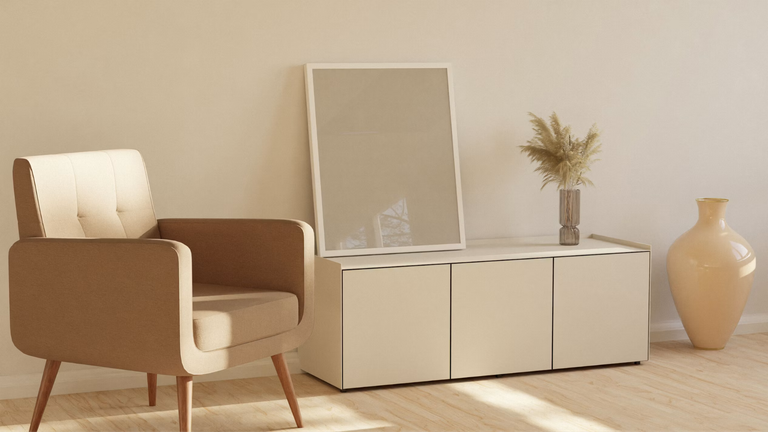
An oversized leaning mirror can become the focal point of your living room, functioning almost like a piece of art. Instead of hanging it, lean it against the wall at a slight angle. This approach is renter-friendly (no holes), adjustable, and surprisingly stable when propped correctly against a wall stud or weighted furniture piece.
Choose a mirror that’s 5 to 7 feet tall and at least 3 feet wide. The frame style matters here, a bold wooden frame in walnut or oak adds warmth, while a slim metal frame feels modern and minimal. Ornate or decorative frames work if your living room leans traditional: industrial metal frames suit contemporary spaces. The frame becomes part of the design, so invest in one that complements your furniture and wall color.
Leaning a large mirror safely requires a solid base. Position it against a structural element: a wall between two windows, behind a sofa, or along a wall where it won’t be bumped. If your floors are slippery (polished concrete, tile), use non-slip pads beneath the mirror’s bottom edge to prevent sliding. A felt-lined mirror stand or leaning frame adds stability without fasteners.
Pair your oversized mirror with minimal additional decor nearby. The mirror itself is the statement. A simple console table below it, a potted plant to one side, or a pair of wall-mounted shelves keep the design intentional rather than cluttered. This approach works especially well in home decorating ideas that emphasize balance and breathing room.
Match Your Mirror Frame to Your Interior Design Style
Your mirror’s frame is the difference between a utility item and a design feature. The frame should echo your existing furniture, wall color, and decorative accents, not clash with them.
Wood Frames work in transitional, rustic, farmhouse, and traditional spaces. A honey oak or walnut frame coordinates with warm-toned furniture and earthy wall colors. Light natural pine or white-painted wood fits Scandinavian and cottage-style living rooms. The finish should match your other wood elements, if your shelving is matte, avoid high-gloss mirror frames.
Metal Frames suit contemporary, industrial, and mid-century modern interiors. Brass or gold metal complements warm color schemes and adds luxury without pretension. Black or matte steel pairs with cool-toned walls and modern furnishings. A rose gold frame sits between warm and cool, working in eclectic or transitional spaces.
Decorative or Ornate Frames are statement pieces. A vintage-style gilt frame adds glamour to traditional or maximalist living rooms. These work best as a focal point with minimal competing decor. Avoid mixing too many frame styles in one room, one bold mirror anchors the space: two can feel disjointed.
Consider your room’s color palette before purchasing. Pull paint swatches or fabric samples when mirror shopping. Stand the frame next to your sofa, wall color, and accent pieces. What looks good in the showroom might clash under your home’s actual lighting. This is where online retailers like Homedit’s interior design ideas offer helpful visual context for coordinating frames with existing decor.
Combine Mirrors With Other Decor Elements
A floor mirror doesn’t stand alone. Pairing it with complementary decor creates a cohesive vignette that feels intentional rather than temporary.
Console Tables and Styling work beautifully below or beside a leaning mirror. A narrow console with drawers provides storage and a surface for a table lamp, small plant, and decorative object. Keep styling minimal, three items maximum. A tall areca palm or snake plant adds greenery without crowding the space. A table lamp with a brass base echoes the mirror frame color. A framed print or sculpture rounds out the composition.
Wall Decor Above or Beside mirrors extends the visual interest. Hang a small abstract painting, textile, or shelf 12 to 18 inches above a leaning mirror’s frame. This works especially well with oversized mirrors that might otherwise feel too stark. Keep the additional art smaller than the mirror itself, so the mirror remains the main event.
Seating Arrangements are also key. Position an accent chair near a floor mirror if space allows. This creates a conversation area and gives the mirror a purpose, it reflects the chair, the person sitting, and the surrounding decor. In smaller living rooms, this spatial arrangement makes the mirror feel functional rather than decorative-only.
Lighting deserves mention here too. A floor lamp positioned near the mirror bounces light off the reflective surface, amplifying brightness throughout the room. Brass, black, or wooden bases coordinate with different frame styles. This dual-purpose approach, adding light and style simultaneously, is practical design.
Use Mirrors to Highlight Artwork and Focal Points
Mirrors can amplify the visual impact of existing artwork or architectural features. This is a subtle but powerful design move.
Reflecting Artwork creates depth and prominence. If a painting, sculpture, or textile hangs on one wall, position a floor mirror on the opposite or perpendicular wall so it reflects that art. The reflected image doesn’t look like a duplicate, it feels like part of the overall composition. This technique is especially effective with statement pieces like large canvases, gallery walls, or vintage tapestries.
Emphasizing Architectural Features works similarly. Does your living room have crown molding, exposed beams, or a fireplace mantel? A strategically placed mirror reflects these elements, drawing attention upward and creating visual continuity. Fireplaces benefit particularly from this, a mirror reflecting the mantel and any decor on it amplifies that focal point’s importance.
Creating Visual Symmetry is another application. If your living room has a balanced layout (furniture arranged symmetrically around a central point), a mirror opposite a key piece reinforces that balance. A mirror reflecting a bookcase, console, or gallery wall appears to continue that visual weight across the room.
The key is intentionality. Don’t place mirrors randomly hoping something works. Choose what you want emphasized, the art, the architecture, the furniture, and position the mirror to reflect it. This approach transforms a home office decorating principle (focal point clarity) into living room design that feels thoughtful and layered.
Budget-Friendly Mirror Styling Tips
Great mirror design doesn’t require premium prices. Here’s how to maximize impact on a realistic budget.
Where to Source Affordable Mirrors matters. Big-box retailers, online marketplaces, and secondhand shops offer decent options. A basic floor mirror from a discount retailer (40 to 80 inches tall, simple frame) costs $80–$150. That’s functional. For budget-conscious design, a thrift store wooden-framed mirror ($30–$60) paired with fresh styling often outperforms a plain expensive option. The styling, placement, accompanying decor, creates the design impact, not the mirror’s price tag.
DIY Frame Updates stretch budgets further. A cheap mirror in a plain frame can be upgraded with paint or stain. A metal-framed mirror can be sprayed with gold or black paint (use spray paint designed for metal). A wooden frame takes stain beautifully. This costs $10–$20 in materials and a few hours of work, transforming a bargain find into a custom piece. Just mask off the reflective surface before painting.
Styling Over Spending is the real budget hack. A floor mirror placed intentionally with a single potted plant or a console table costs far less than buying multiple decorative mirrors or accessories. One strategic piece with thoughtful placement beats three random additions. This philosophy aligns with budget-friendly home decorating ideas, where creativity outweighs expense.
Multipurpose Mirrors maximize value. Choose a size and style that works in more than one room. A 6-foot tall mirror in a neutral wood frame functions in a living room, bedroom, or hallway. This flexibility means you’re not investing in a single-purpose piece. Modern design sources like MyDomaine often feature budget-first styling that proves good design doesn’t demand premium budgets.
Conclusion
Floor mirrors are underrated living room workhorses. They solve practical problems, poor lighting, cramped feel, while delivering genuine aesthetic impact. Whether you’re leaning an oversized statement piece against a wall, bouncing natural light across a dim space, or reflecting your favorite artwork, the key is intentional placement and thoughtful styling. Start with one mirror, position it purposefully, and build your design around it. The results speak for themselves.